


Is It Eye Allergies or Dry Eye? How to Tell the Difference and Get Relief
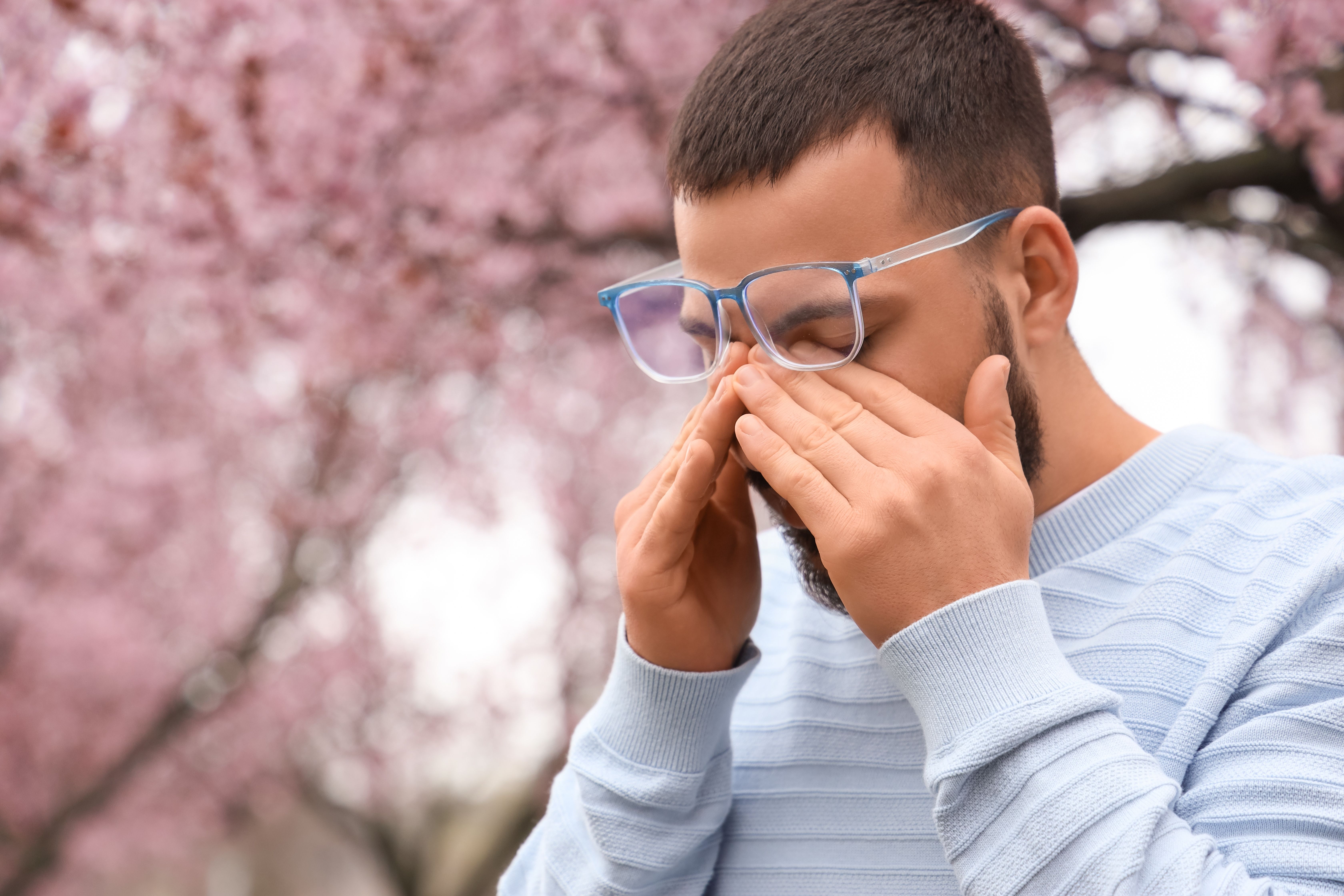
Red, irritated, or watery eyes are a common concern, especially during seasonal changes or after long hours of screen use. Many people assume these symptoms are caused by allergies, but dry eye disease can feel very similar. Because these conditions have different causes and treatments, understanding the difference is the first step toward lasting relief.
What Causes Eye Allergies?
Eye allergies, also called allergic conjunctivitis, occur when the eyes react to allergens such as pollen, dust, pet dander, or mold. When this happens, the immune system releases histamines that cause inflammation and discomfort. People with eye allergies often experience:
- Intense itching (one of the most common allergy symptoms)
- Redness and irritation
- Watery or teary eyes
- Swollen or puffy eyelids
- Burning or stinging sensations
Allergy symptoms usually affect both eyes and may worsen during allergy seasons or after exposure to specific triggers. Many patients also notice sneezing, congestion, or other allergy-related symptoms at the same time.
What Causes Dry Eye?
Dry eye develops when the eyes do not produce enough tears or when tears evaporate too quickly. Tears play an essential role in keeping the eyes lubricated and vision clear. When the tear film is unstable, symptoms may include:
- A gritty, sandy, or scratchy feeling
- Burning or stinging
- Redness
- Blurred or fluctuating vision that improves with blinking
- Eye fatigue
- Excessive tearing caused by the eyes trying to compensate for dryness
Dry eye symptoms often worsen with prolonged screen use, reading, air conditioning, wind, or aging, and they tend to be more chronic than allergy symptoms.
How to Tell the Difference
Although eye allergies and dry eye share overlapping symptoms, a few key differences can help point to the cause:
- Itching is far more common with allergies than with dry eye
- Triggers such as pollen, pets, or dust often cause allergy flare-ups, while dry eye is linked to screens, environment, and health factors
- Tearing from allergies is usually watery, while dry eye often causes burning or fluctuating vision
- Duration of allergy symptoms may come and go, while dry eye tends to persist without treatment
It’s also possible to have both conditions at the same time, which can make symptoms harder to identify without an eye exam.
Getting the Right Relief
The best treatment depends on the cause of your symptoms. Relief for eye allergies may include allergy-specific eye drops, reducing exposure to allergens, and calming inflammation. Dry eye treatment focuses on improving tear quality and reducing evaporation through lubricating eye drops, prescription medications, lifestyle adjustments, and in-office therapies when needed.
Using the wrong type of eye drop may provide little relief or even worsen symptoms, making an accurate diagnosis essential.
When to See Your Eye Doctor
You should schedule an eye exam if your symptoms:
- Persist despite using over-the-counter eye drops
- Interfere with work, screen time, or daily comfort
- Worsen over time or occur year-round
- Affect your vision
An eye doctor can determine whether allergies, dry eye, or another condition is causing your discomfort and create a personalized treatment plan.
Find Relief for Irritated Eyes Today
Eye allergies and dry eye may feel similar, but they are not the same condition. Knowing the differences and seeking professional care can help you get the right treatment and enjoy clearer, more comfortable vision.
If your eyes are itchy, dry, or irritated and you’re not sure why, schedule a comprehensive eye exam with Ohana Eye Care today. Visit our office in Peoria, Arizona, or call (623) 583-8388 to book an appointment today.


Contact Info
Hours of Operation
- Monday 9:00am - 6:00pm
- Tuesday 9:00am - 6:00pm
- Wednesday Closed
- Thursday 9:00am - 6:00pm
- Friday 9:00am - 6:00pm
- Saturday Closed
- Sunday Closed
© 2025 Ohana Eye Care. All rights Reserved. Accessibility Statement - Privacy Policy - Sitemap
Powered by:
