


Stellest Lenses vs. MiSight Contacts: Comparing Myopia Control Options for Kids in Peoria
When a child's glasses prescription becomes stronger each year, it may be a sign of progressing myopia, also called nearsightedness. Myopia often develops during childhood as the eyes grow longer, making distant objects appear blurry. Higher levels of myopia can also increase the risk of certain eye conditions later in life.
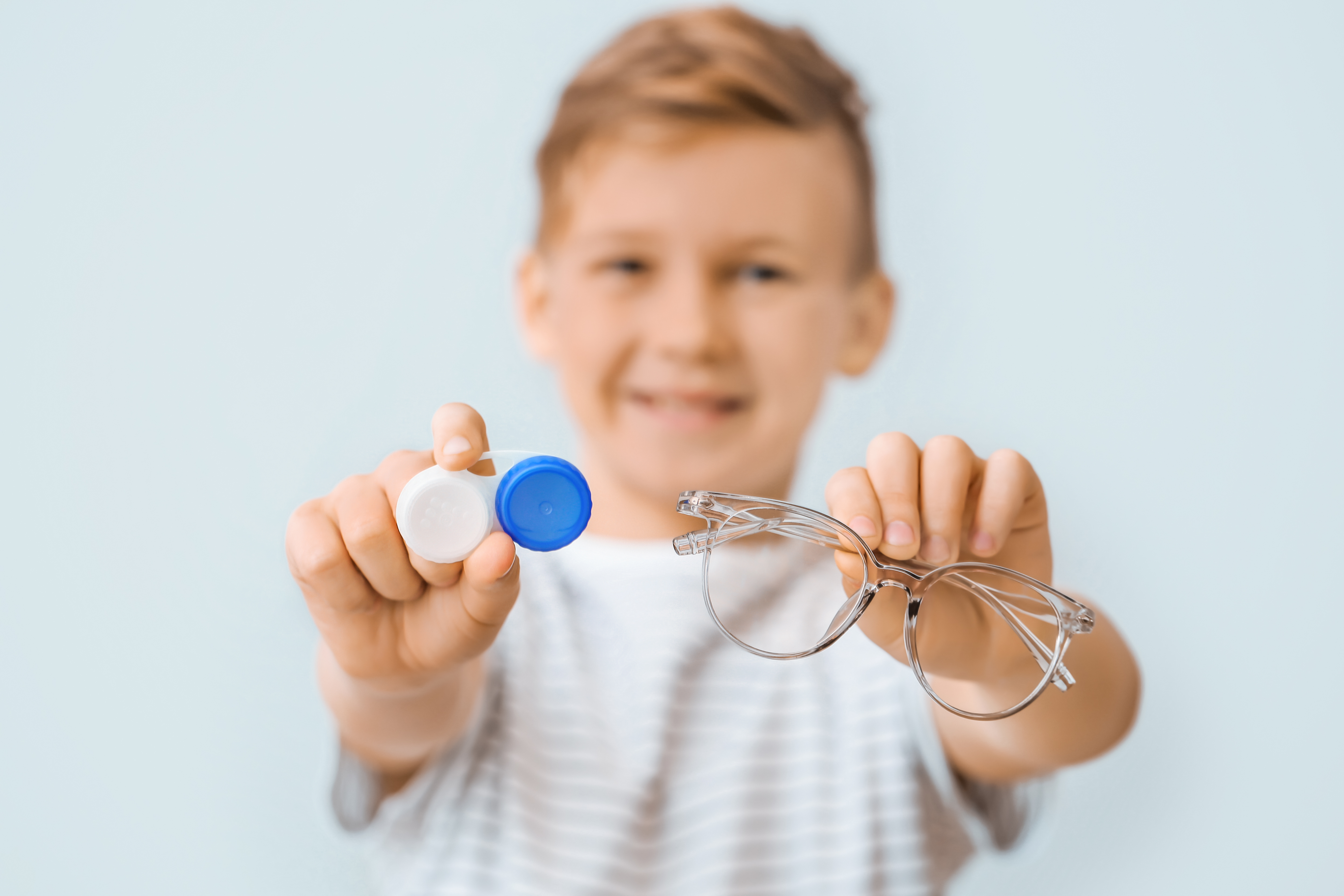
At Ohana Eye Care in Peoria, AZ, we help families understand options for slowing myopia progression. Two options are Essilor Stellest eyeglass lenses and MiSight 1 day contact lenses. Both help children see clearly while addressing the progression of nearsightedness, but they work differently.
How Do Stellest Lenses Work?
Essilor Stellest lenses are prescription eyeglass lenses designed to slow childhood myopia progression. Their specialized H.A.L.T. technology uses tiny lenslets surrounding a clear central viewing area. These lenslets create an optical signal that helps slow excessive eye growth.
Unlike ordinary single-vision glasses, Stellest lenses combine clear distance vision with myopia control. They may be a practical choice for children who prefer glasses, are not ready for contact lenses, or need a treatment option at a younger age.
Stellest lenses are FDA-authorized for children ages 6 to 12 when treatment begins, provided they meet the applicable prescription and eye health criteria. Proper frame fit and consistent wear are important.
How Are MiSight Contacts Different?
MiSight 1 day lenses are soft, daily disposable contact lenses with a dual-focus design. They correct distance vision while using treatment zones to help slow myopia progression.
MiSight lenses are FDA-approved for children ages 8 to 12 when starting treatment, within specific prescription limits. They may appeal to children who prefer freedom from glasses during sports, school, or everyday activities.
Each lens is worn during the day and discarded after removal. Children must be comfortable learning proper insertion, removal, and hand hygiene. MiSight lenses should never be worn while sleeping, showering, or swimming because water exposure and improper wear increase the risk of serious eye infections.
Stellest vs. MiSight: What Should Parents Consider?
When comparing myopia control options for kids in Peoria, we consider several factors:
· Age and prescription: Stellest starts at ages 6 to 12, while MiSight starts at ages 8 to 12 under their respective FDA indications. Each also has specific prescription limits.
· Daily routine: Stellest requires consistent glasses wear, while MiSight requires daily lens handling and disposal.
· Comfort and readiness: Some children prefer glasses, while others are motivated and mature enough to manage contacts.
· Eye health: Contact lenses require careful hygiene to reduce infection risks.
· Follow-up care: Both treatments require regular monitoring to assess myopia progression and adjust the plan when needed.
Choosing a Myopia Management Plan in Peoria
At Ohana Eye Care, we evaluate your child's prescription, eye health, vision needs, and history of myopia progression before recommending a treatment. We also discuss your child's daily activities and ability to follow the recommended wear routine.
Neither Stellest nor MiSight cures myopia or guarantees that a child's prescription will stop changing. The goal is to slow progression, and the right choice depends on your child's individual needs.
Give your child a clearer view of tomorrow by calling Ohana Eye Care in Peoria, AZ, at (623) 583-8388 to explore personalized myopia control options.


Contact Info
Hours of Operation
- Monday 9:00am - 6:00pm
- Tuesday 9:00am - 6:00pm
- Wednesday Closed
- Thursday 9:00am - 6:00pm
- Friday 9:00am - 6:00pm
- Saturday Closed
- Sunday Closed
© 2025 Ohana Eye Care. All rights Reserved. Accessibility Statement - Privacy Policy - Sitemap
Powered by:
