


What Is Vision Therapy and How Can It Improve Your Visual Skills
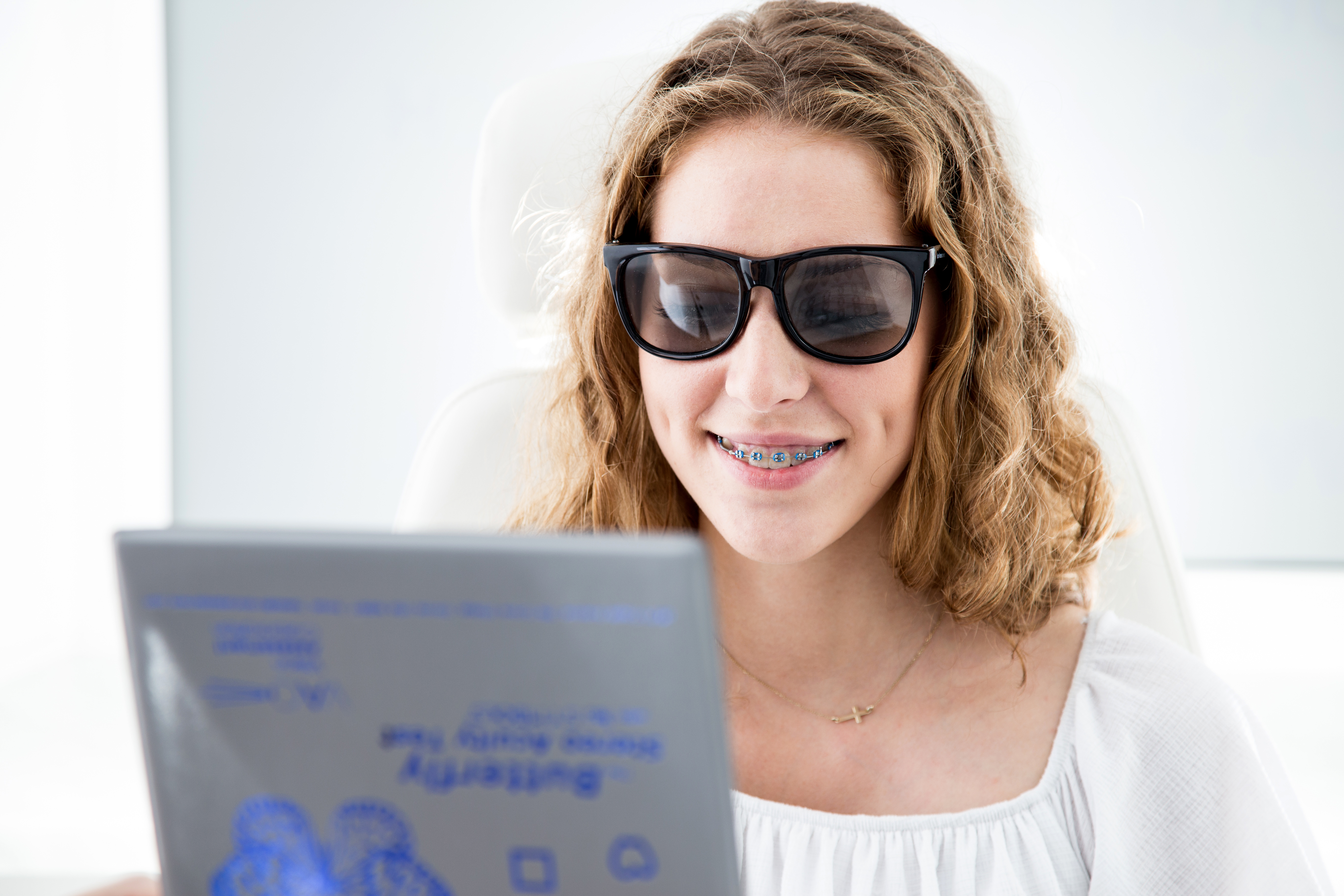
Have you ever wished you could train your eyes to work better, like you train your body at the gym?
That is the basic idea behind vision therapy. It is a program of exercises and treatments designed to improve the communication between your eyes and brain. Think of it as physical therapy for your visual system.
But here is the important part: vision therapy is not for everyone, and experts disagree about exactly which vision conditions it helps most effectively. Let us start with what it is, and then look at how it might help.
So, What Exactly Is Vision Therapy?
Vision therapy is a customized treatment plan. It starts with a thorough eye exam. The doctor looks for problems with how your eyes focus, align, and move together.
Based on the results, they create a program just for you. This is not like picking up a pair of reading glasses at the drugstore. It is a structured process that takes weeks or months.
During therapy, you perform specific eye exercises. These are not just simple drills. You might use special lenses, prisms, eye patches, filters, or computer programs. Some exercises are done in the doctor’s office. Others are practiced at home.
The goal is to retrain the brain. You are teaching your visual system to process information more accurately and with less effort.
Now, How Can It Actually Improve Your Visual Skills?
When vision therapy works, it targets very specific skills. Here are the main ways it can help.
- It Improves Eye Teaming (Convergence)
This is the most proven use. Some people struggle to turn both eyes inward to focus on close objects. This is called convergence insufficiency. It can make reading blurry or cause double vision. Vision therapy exercises train the eyes to work together properly. This reduces strain and makes near work more comfortable.
- It Strengthens Eye Focusing (Accommodation)
Your eyes need to switch focus quickly, for example, from a distant whiteboard to a nearby phone. Some people have trouble with this. Their focusing system is slow or weak. Therapy can help build that focusing stamina, so switching distances feels smooth and effortless.
- It Trains Eye Tracking and Movement
Think about following a moving ball or scanning a line of text. That requires smooth eye movements. When these skills are poor, you might lose your place while reading or have trouble with sports. Vision therapy uses exercises to improve the accuracy with which your eyes follow a target.
- It Helps the Eyes and Brain Work Together (Processing)
This is about more than just seeing clearly. It is about how fast your brain understands what your eyes see. Therapy can improve visual processing speed and hand-eye coordination. This can help with things like copying notes from a board or catching a ball.
- It Can Strengthen a Lazy Eye (Amblyopia)
For a lazy eye, the brain favors one eye and ignores the other. Traditional treatment often involves patching the strong eye. Vision therapy uses exercises to force the weaker eye to work, helping to build its strength and improve depth perception.
- It Eases Eye Fatigue and Headaches
When your visual system struggles, it quickly tires. This leads to headaches, burning eyes, and mental fatigue, especially after reading. By making the system more efficient, therapy can reduce this physical strain.
For more on how to improve your visual skills, visit Ohana Eye Care. Our office is in Peoria, Arizona. Call (623) 583-8388 to book an appointment today.
https://my.clevelandclinic.org/health/treatments/vision-therapy
https://www.optometrists.org/vision-therapy/guide-to-vision-therapy/what-is-vision-therapy/


Contact Info
Hours of Operation
- Monday 9:00am - 6:00pm
- Tuesday 9:00am - 6:00pm
- Wednesday Closed
- Thursday 9:00am - 6:00pm
- Friday 9:00am - 6:00pm
- Saturday Closed
- Sunday Closed
© 2025 Ohana Eye Care. All rights Reserved. Accessibility Statement - Privacy Policy - Sitemap
Powered by:
